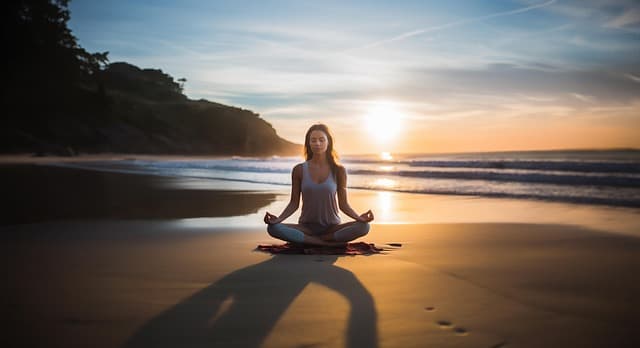
Yoga is not only a physical practice, but also a powerful tool for developing focus and self-discipline. Conscious performance of asanas, breath control and the ability to focus on inner sensations allow you to strengthen psycho-emotional stability and increase the ability to concentrate.
The modern rhythm of life leads to constant information overload, decreased concentration and distraction. Regular yoga classes help to improve attention, reduce stress levels and increase control over thoughts. The practice requires discipline and regularity, which over time builds willpower and self-control.
How does yoga affect concentration?
Concentration in yoga is achieved through a combination of mindful breathing, meditative techniques, and asana practice. This integrated approach helps to keep attention on the present moment, develop cognitive flexibility and enhance performance.
The main mechanisms through which yoga affects concentration are:
- Slowing down the flow of thought. Performing asanas requires mindfulness, which helps reduce distractions.
- Focusing on the breath. Breath control (pranayama) teaches you to manage your attention and improves nervous system function.
- Meditation and mindfulness. Regular practice of meditative techniques develops the ability to hold attention on a single object, which improves concentration in daily life.
- Balancing the nervous system. Yoga helps to reduce stress and anxiety levels, which has a positive effect on the ability to concentrate.
Concentration in yoga is formed gradually. Already after a few weeks of practice you can notice an improvement in the ability to focus, and after a few months of regular practice – a significant increase in self-control and awareness.
Discipline in yoga: a key element of the practice
The discipline of yoga is not only the regular performance of exercises, but also a conscious approach to the body, breathing and inner states. The practice teaches patience, consistency and self-control, which helps not only on the mat, but also in everyday life.
Which builds discipline of mind in yoga:
- Regularity of practice. Forming the habit of doing yoga even on busy days develops self-organization.
- Stamina and patience. Holding poses for long periods of time and working with the breath teaches resilience and the ability to manage emotions.
- Mindfulness. The ability to be in the present moment helps reduce impulsivity and improve self-control.
- Self-responsibility. Performing the practice requires internal motivation, which helps build willpower.
The discipline of yoga is a process that develops personal resilience and mindfulness, helping you stay calm and collected even in challenging situations.
What elements of yoga are particularly good for concentration and discipline?
Some techniques in yoga are particularly good at developing concentration and discipline of mind.
- Balance asanas – require complete concentration on the body and breath.
- Meditation with concentration on one object – trains the ability to hold attention.
- Pranayamas (breathing exercises) – help stabilize the mind and increase awareness.
- Mindfulness practices – develop the habit of being in the present moment.
- Static postures with prolonged holding – builds patience and willpower.
Using these elements in your practice develops mental stability, improves your ability to concentrate, and builds self-discipline.
How to start practicing to develop concentration and discipline?
In yoga, it is important not only to perform the exercises, but also to approach the practice in a structured and deliberate way. At the Source of Longevity Clinic, classes are structured to develop concentration and discipline gradually, starting with basic techniques and moving on to more complex methods of deepening attention.
To achieve sustainable results, it is important to:
- Exercise regularly in a structured format. Systematic training under the guidance of a specialist allows you to develop concentration and discipline skills faster. The optimal schedule is 2-3 full sessions per week, during which physical and mental aspects of the practice are worked on.
- Master breathing techniques under the supervision of an instructor. Pranayamas require proper execution, and in the studio they are incorporated into classes in a way that synchronizes breath and movement, rather than being performed separately as in the home.
- Practice mindfulness throughout the entire practice. In group and individual classes, experts help you keep your attention on movement, breath and internal sensations, which helps develop concentration.
- Work with balancing asanas and static poses. In a studio format, instructors select personalized exercises to develop patience, self-control and focus through proper load and movement awareness.
Yoga in the studio is different from home practice: under the supervision of an expert it is easier to form discipline, learn to keep attention and develop awareness without the risk of mistakes.